Czech Pilsner: A Distinctive Voice in World Beer Culture
Why is the Czech Republic home to one of the world’s major drinking cultures?
Belgium has its characterful yeast-driven ales, some aged for years and others made with spices in monasteries. Germany has spent centuries perfecting lager and, according to law, they may brew only with malt, hops, yeast, and water- any other additives and their beer may no longer be sold as “beer”. UK’s unique cask ale tradition is being kept alive in local pubs that give drinkers a glimpse into beers’ past and offers low ABV living ales hand pumped from cellars. The US continues to make internationally inspired beers with American boldness, and the experiments continue: more hops, more malt, triple dry hopping, adding pastries to beer, and all sorts of other sacrilegious things.
And then there’s the Czech Republic, Pilsner lager beer being the crown jewel and pride of the country that drinks more beer than anyone in the world (and it’s not even close). But lager beer is Germany’s thing, so where do the Czechs fit in? Though the Germans did lager first, the Czech Republic transformed it into a global phenomenon.
Czech Pilsner’s Origin
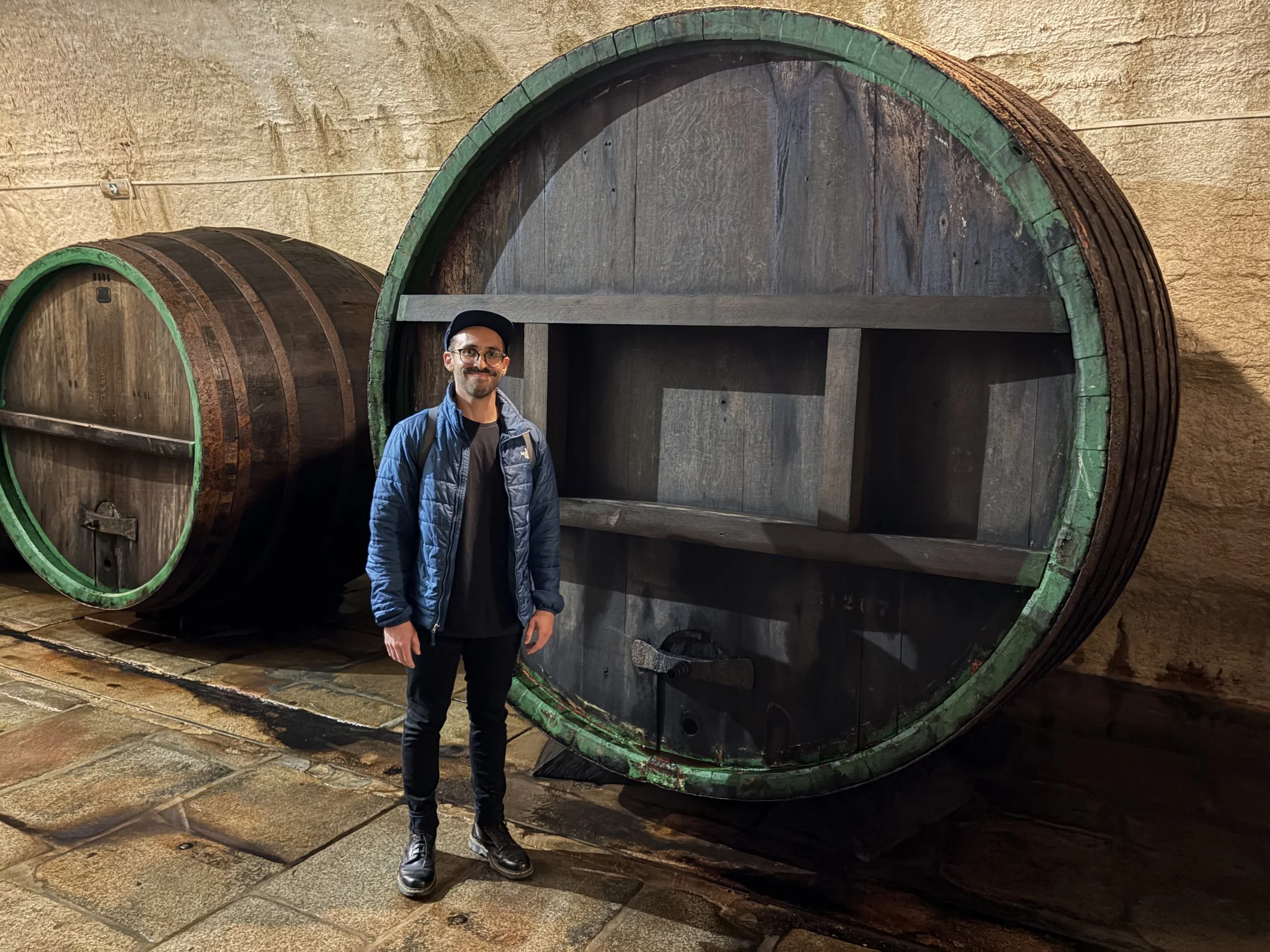
Pilsner’s history is deep and fascinating, but the quick version of the story is that the Czechs hired a German brewer to help them improve the quality of their beer. The German brewer brought his learned lager brewing techniques to the town of Plzeň in the Czech Republic and made a lager beer using local Czech malt, hops, and water. The malt was unique and perhaps the most important bit. It was extremely light in color, unlike malt in the most popular beers at the time: dark German lager and dark English porter. Once people saw and tasted the clear golden Pilsner beer, it became the new big thing and was replicated and imitated all over the world. The English actually did pale beers first, but their pale ales didn’t travel well like the pale lager of the Czech Republic, so it was Pilsner that captured the imagination of drinkers who could taste it even outside of the Czech Republic. Pilsner style lagers continue to be the most popular type of beer in the world today. Budweiser, Coors, Corona, Heineken, Stella, and Asahi are but a few of Czech Pilsner’s successors.
Czech Pilsner vs German Pils
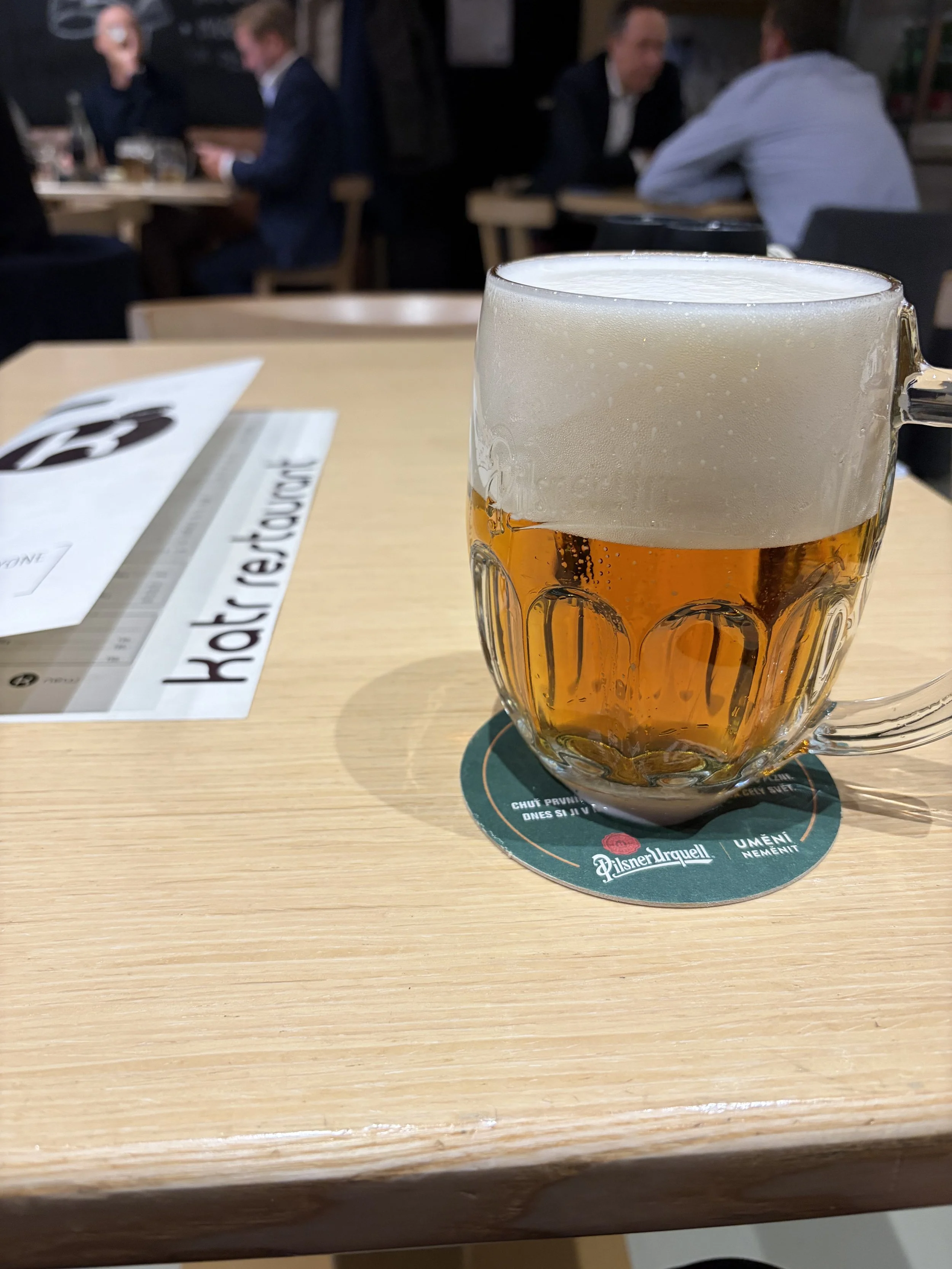
In the Czech Republic, there is only one Pilsner. I asked a dozen people what their favorite beer was during my recent visit to the Czech Republic, and it was almost unanimous: Pilsner. They weren’t talking about the Pilsner “style”; they were referring to Pilsner Urquell, the original pale lager beer first brewed in Plzeň. When the Czechs say Pilsner, they are saying Pilsner Urquell. And like Champagne in France or Kölsch in Köln, only Pilsner Urquell may call its beer “Pilsner” in the Czech Republic. The other big breweries and microbreweries call their hoppy, golden lager beer a Czech-style lager. Not a Czech-style Pilsner, but a lager. In Germany, on the other hand, there are innumerable beers called Pilsners available that are produced by different breweries. Many abbreviate theirs as “Pils” as a sign of respect to the appellation of the original Pilsner Urquell.
Naming conventions aside, there are huge differences in the drinking cultures regarding the two Pilsners. German Pilsner is but one type of German lager in a large list of more widely consumed German lagers. It’s a bit of an oddball: the only beer in the German catalogue balanced toward hop bitterness. Pils is not the German go-to type of beer, and it’s not found at every single pub in Germany. The go-to everyday beer in most of Germany is Helles lager. It’s pale and golden like Pils, but much less bitter: a hallmark of malt flavor and clean crispness. It’s not a sweet beer, but it certainly lacks upfront and lingering bitterness. Czech beer culture, on the other hand, is the opposite. Visit a pub in Prague and the odds are that the beer available there is the bitter and aromatic Pilsner Urquell, the most popular beer in the Czech Republic.
What makes Czech Pilsner special?
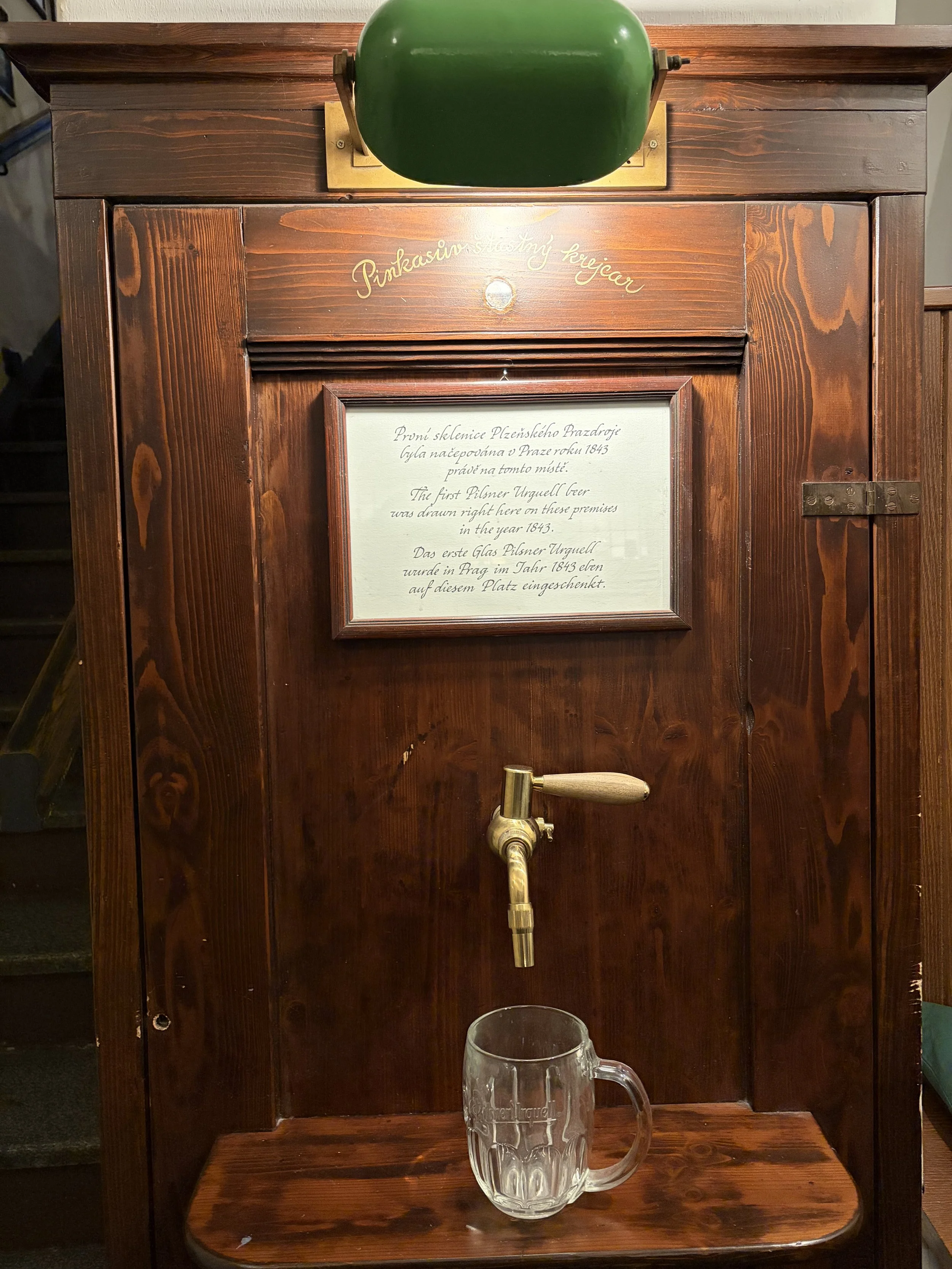
The first thing that struck me when visiting the Czech Republic and tasting Pilsner Urquell was how bitter it tastes. Without a doubt, this beer is balanced toward hop bitterness and is not a sweet drink. It has malt sweetness to create a delectable balance, though; the bitterness is not overbearing. This bitter balance was fascinating to me: what other beer nation consumes a highly bitter beer as their go-to? Maybe the States did during the craft beer boom a decade or two ago, but those days are long gone. Those beers were extremely bitter but also quite sweet. Regardless, they’ve been replaced by pastry stouts, kettle sours, sweet hazy IPAs, boozy barrel-aged concoctions, and Americanized versions of European beers.
Another interesting aspect of Czech beer culture is that drinkers have a fastidious preference for which Pilsner they like best. But Pilsner is just Pilsner Urquell, so what does that even mean? The way Pilsner is maintained, served, and presented means everything to the Czechs. How was the beer delivered to the pub? Was it delivered in cans or bottles? To-go Pilsner is more for the odd beer enjoyed at home with a meal. It must be served fresh from a faucet to be in the running for a local’s favorite. Want to narrow down preferences further still? Then ask again, how was the beer delivered? Though not the rule, almost everyone I asked agreed that Pilsner is best from the tank. Instead of drawing beer out of kegs, the Pilsner Urquell brewery brings fresh beer from the brewery and delivers it directly into huge serving tanks that are on site at pubs. The draft system draws beer from these tanks. To be considered for hosting one of these tanks, pubs must prove they cycle through the beer quickly and have the volume necessary to turn over the enormous amount of beer, thus providing extremely fresh Pilsner all the time. Tank beer is often considered the gold standard in the Czech Republic.

Czech Service: The Tapster Gods
Service must be taken into account when considering a well presented Pilsner. Tapsters, the name for beertenders in the Czech Republic, are a very respected bunch, and the ability to pour a perfect half-liter every time is required for those serving Pilsner Urquell. The adequate amount of foam is paramount- as I was told in the Czech Republic time and time again, “beer isn’t beer without the foam”. And for good reason, too. When tapsters pour a beer, they dispense pillowy, dense foam into the glass, and submerge the tap below the foam. The beer is then poured underneath it until the glass is filled. Foam protects the beer’s flavor from degradation due to oxygen exposure, so the drinker gets fresh, aromatic beer during the entire glass. The foam also creates a fuller, creamier mouthfeel that dances with the crisp, light lager underneath it, adding richness. Drinkers may request a variety of pour styles that provide different amounts of foam, too. There's the standard Hladinka, which provides 1 part foam to 2 parts beer, the Šnyt, which is 2 parts foam to 1 part beer, and the Mlíko, which is a glass full of foam with a tiny peek of clear beer underneath it. Drinkers may order any of these pours at a pub, but it takes a skilled tapster to pour all the styles properly, and not all tapsters pour all the styles. Requesting a certain pour is commonly accepted in the Czech Republic though, and tapsters are happy to accommodate if they are confident in serving the different pours.
Though most Czechs drink Hladinkas (the standard pour if you order a Pilsner and don’t specify a pour style), there are several reasons you may want a different pour. Šnyts became my favorite pour style to order during my visit as I had a lot of beer to taste, and it was akin to ordering a smaller beer. I was given a lot of explanations for the Mlíko. Someone told me it appealed to drinkers who liked more sweetness. I didn’t think the beer would seem sweeter, as the foam is just beer in gas form, but it’s true; it did taste a lot sweeter than the Hladinka and Šnyt I got at the same pub. This is perhaps because a mouthful of foam contains less beer than a standard sip, as beer in foam form takes up much more surface area. So less liquid beer per swallow also means less bitterness per swallow. Another appeal of the Mlíko, I was told, is that it is very refreshing in the summertime (perhaps the Czech equivalent of an ice cream shake or frozen custard). One local told me it was more of a just-for-fun chugging experience, as it must be downed quickly in order to keep the foam from turning into beer. Worry not though if you’re a slow chugger like me. The decadent foam will dissipate, yes, but it only turns into delicious beer.
Cold Pilsner is Good Pilsner
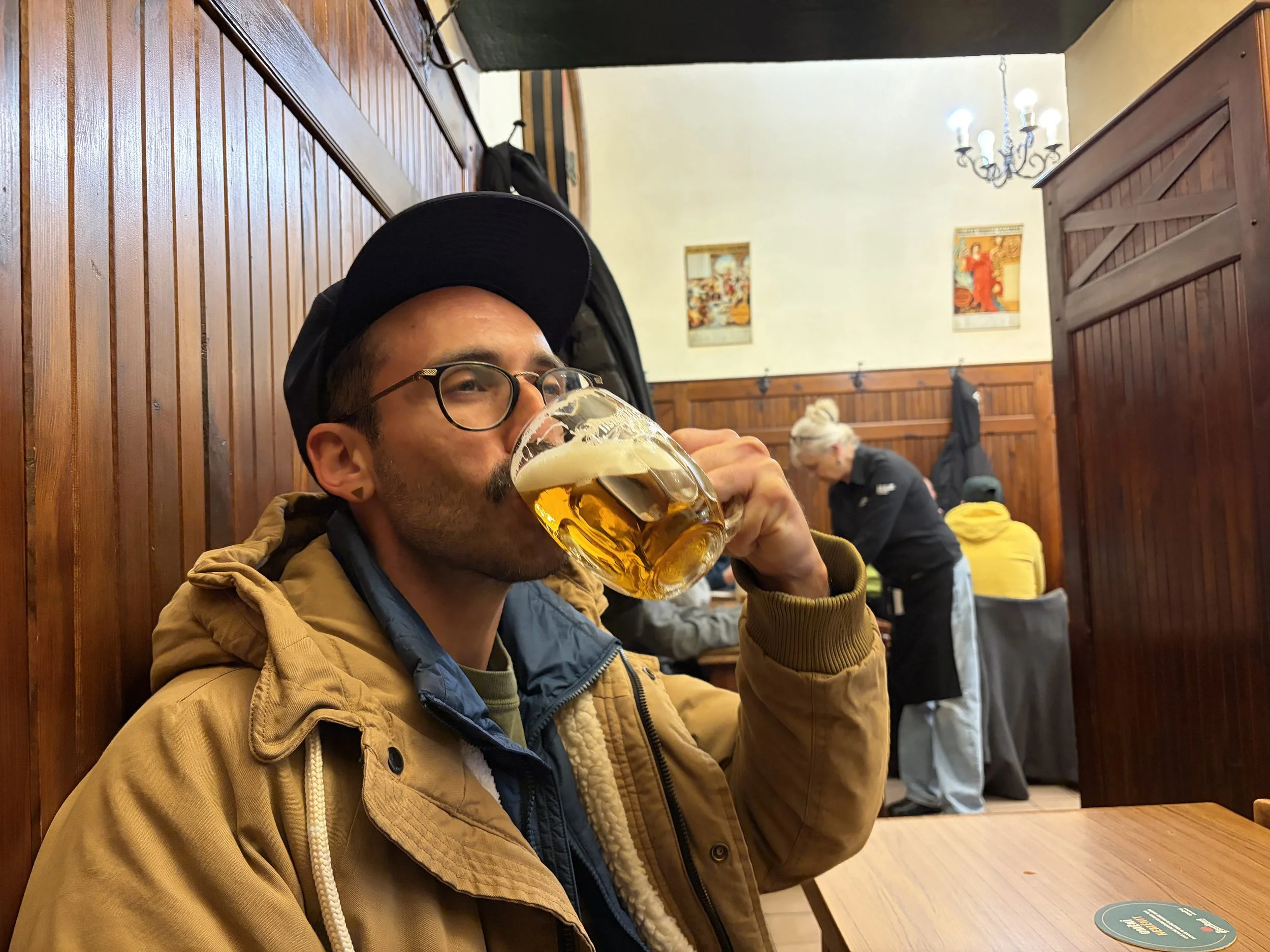
An aspect of Czech drinking culture that sets it apart from others is the emphasis on serving beer very cold. Beer mugs in the Czech Republic almost always have handles, which keep warm hands off of cold beer. Pilsner mugs are also incredibly heavy and thick, providing excellent insulation. Additionally, the beer comes out of the faucet at very low temperatures and is poured into a glass that was seconds ago resting in freezing cold water. Tapsters literally keep dozens of clean beer mugs submerged in a huge, chilly water-filled sink and retrieve them upon service. Cold beer seems like a no-brainer, as a warm beer is more often than not a sad beer. However, there are different levels of “cold”: the British prefer cellar temperatures that are slightly less cold, a sentiment often agreed upon by the Belgians. This is because aroma is more expressive at slightly elevated temperatures.
Next up are the Germans, who like their beer colder, but not quite as cold as the Czechs. Temperatures are in a similar ballpark between the Germans and Czechs, but I was surprised by how cold the beer was in the Czech Republic, and it stuck out as being colder than the beer I tasted in Germany. This serving temperature discrepancy is emphasized by the fact that not all German beer glasses are made with a handle, like almost every Czech glass. [Yes, Americans love “ice cold beer”, but this service philosophy wasn’t a strategy designed to showcase flavor; it was devised by marketing teams to do the opposite of what the British and Belgians are going for: to lower the expression of the beer’s aroma. The light American lagers that use the word “cold” in their marketing don’t have bold enough flavor to stand up to cold temperatures and express themselves as Czech lagers do.]
Temperature plays an important role in the drinking experience of Czech Pilsner. The beer is very bitter, and the bitterness lingers after swallowing. This beckons the next sip, which delivers subtly sweet maltiness and creamy foam that balance the bitterness. Swallow, bitterness comes in, take another sip to refresh with malty sweetness and luscious foam, then the pattern is repeated until the half liter is magically empty. Warm and bitter do not often play nicely together, and the cold temperature of Pilsner is a critical balancing element to the bitterness. For example, Italian bitters like Campari are typically served at room temperature as apéritifs. They’re not cold and very bitter, but also very sweet! The sweetness is what makes these apéritifs drinkable. Czech Pilsner is not sweet, so low temperatures are crucial for a good drinking experience.
Temperature also plays a role in the expression of yeast character in Czech Pilsner. Lagers, almost by definition, are beers with subdued yeast character; however, Pilsner Urquell has noticeable yeast character. Unlike most beers that prize fruity or spice flavors from yeast, the yeast flavor and aroma in Czech Pilsner is considered by some drinking cultures as an “off-flavor”. The flavor I’m referring to is diacetyl- a compound made by yeast during fermentation that is often described as “buttery” and providing a slick mouthfeel. This compound is made by all beer yeast, but typically gets converted into non flavor active compounds over the course of fermentation. The yeast used by Pilsner Urquell leaves some diacetyl behind, lending a subtle buttery character to the beer. I made it a point to ask as many locals as I could in the Czech Republic if they thought that Pilsner tasted buttery. Out of the dozen or so I asked, the only one to say yes worked at the Pilsner Urquell brewery, but they added that this flavor was subtle and really was just part of “the flavor of beer”. Everyone else I asked chuckled and had no idea what I was talking about. This was extremely fascinating, as Pilsner Urquell is infamous for its buttery character in the States, and I think I know why it presents differently in the Czech Republic.
Whether it's the process of exporting and aging that changes its flavor and balance over time, or a differently brewed beer that the brewers package for exporting, the Pilsner Urquell in America has less hop flavor and aroma than the Pilsner in the Czech Republic, and tastes much less bitter. Moreover, the final star of the show in Czech Pilsner, the foam, is glaringly absent. A huge, dense, creamy, wet foam tops every Pilsner served in the Czech Republic thanks to the side-pull faucets that allow the tapster to control the amount of foam poured into the glass. The intensely cold beer, aromatic and punchy floral hops, bitter taste, creamy foam, and slight buttery flavor unite to create something far greater than the sum of its parts. Cool temperatures and bitterness turn the volume way down on the diacetyl, and the buttery flavor seems to emphasize the creamy richness of the sweet foam. The Czechs drink in volume, too, so beers are downed fairly quickly. Without time to warm up, in addition to all the other safeguards against the beer warming, the diacetyl stays in the background when drinking Pilsner in the Czech Republic. Diacetyl even lends a sensation of a fuller body, something that is usually lacking in beers that are served at very cold temperatures.
The fuller, softer, and rounder body is something that makes Czech Pilsner unique, especially compared to German Pils. Several factors go into this in addition to low levels of diacetyl. Primarily, it’s the water: Plzeň, where Pilsner is brewed, is renowned for its extremely soft water. This makes the beer smoother and a bit fuller on the palate. With a beer served so cold, it helps to make for a more satisfying drinking experience. This richer body is further intensified by the triple decoction mash. This complicated and timely procedure is a hallmark of Czech brewing tradition and entails a brewing process that takes exponentially more time and energy. The Czechs think it’s worth the trouble, though, and I agree. This technique lends Maillard character to the malt profile and creates a beer that is richer and fuller-bodied, while still being dry and quenching. This is why Pilsner from the Czech Republic is noticeably darker than its German counterpart; the malt has had a chance to achieve brownage and a greater depth of flavor.

Other Czech Beers & Contemporary Interpretations of Pale Czech Lager
I was intentional about getting out of the city center to seek beers off the beaten path to compare with the omnipresent Pilsner. I tried dark Czech lagers, amber Czech lagers, pale lagers at monasteries, and pale lagers at hip microbreweries. Kozel Černý was a nice dark lager that I sipped at U Černého Vola; definitely balanced toward sweetness but very tasty and lightly roasty. My half-liter disappeared quickly. Though it’s not a hard beer to find in Prague, this pub is known to serve a great Kozel- just don’t sit in the front room, that’s reserved for regulars only. Kozel wasn’t as otherworldly as Pilsner, but it was nice to have the variety, and I would order another one in the future. I made the beer pilgrimage to U Flecků, the gigantic pub and brewery known for its homemade dark lager, where the property itself could be considered a cultural heritage site with its labyrinth of winding rooms and ancient decor. U Flecků’s dark lager was much sweeter than Kozel, but with a similar profile and heavier mouthfeel. The beer at the Czech Republic’s first brewery, Brevnovský Klášter, located within the grounds of a monastery, was established in 993 and surpassed expectations. It was a trek out of the city center, and I was the only English speaker there, but their pale lager was divine, as was the dark lager. Pivovar Strahov, another monastery brewery, was also great. Their amber lager was good, but their dark lager made the 2-mile uphill trek well worth it. It was light-bodied, extremely flavorful, quite bitter, and even had a hint of smokiness. The beer was sublime, and I’ve never had one like it.
Not far from the Prague Castle in Prague 1 was Roesel, a small craft beer pub that serves inexpensive lunch specials that are very popular with locals. They serve Pivovar Clock’s Hektor 10°, an aromatic and delectable pale lager overflowing with frothy foam and served in a moderned-up sharp angled glass with a handle. The jaunt to Prague 6 was rewarded with Matuška Pivovar’s Automat, a taproom reminiscent of American craft beer bars. I smirked as “Snow Hey Oh” by The Red Hot Chili Peppers blared from the speakers while I sipped their excellent pale lagers. The beers were fabulous- bitter, soft, fragrant, round, and served out tall half liter glasses decorated with clouds. Walking through the neighborhood, I stumbled upon Pivovar Bubeneč, a small craft brewery with friendly staff and a hoppy pale house lager that I would drink every day for the rest of my life if I lived in Prague. I was blown away by the intense expression of Czech hops reminiscent of fresh flowers, mace, and peach that danced with the grainy decocted richness of the malt profile. It was dry, bitter, and served perfectly with a pillowy head; my half liter disappeared quickly and I was left wanting more. These microbrewed beers lacked the diacetyl Pilsner Urquell possesses, yet maintained the bold expression of malt and hops that set them apart from Pilsners brewed in other parts of the world.
A fun surprise I didn’t expect to encounter in the Czech Republic was the “cut beer”, an offering served at pubs that offer dark and light lagers and employ tapsters skillful and patient enough to pour them. This is similar to the half-and-half pour popular at pubs that serve Guinness and pale lager, where the two are carefully poured on top of each other in one glass. I ordered one at Kuchyň, and the tapster I spoke to needed to find another tapster who could perform the job. It took quite some time for them to pour it, but the results were breathtaking. True to its name, the beer was cut into 3 distinct layers: Pilsner on the bottom, Kozel in the middle, and foam on top. During the entire half-liter, the beers remained separate no matter how often and quickly I sipped. This Czech magic trick is one that I cannot figure out, but a standing ovation was given after I emptied my glass, even though the masked magician was deep within the pub, undoubtedly pouring another perfect half liter for a new thirsty guest.

Enjoying Czech Pilsner Outside of the Czech Republic
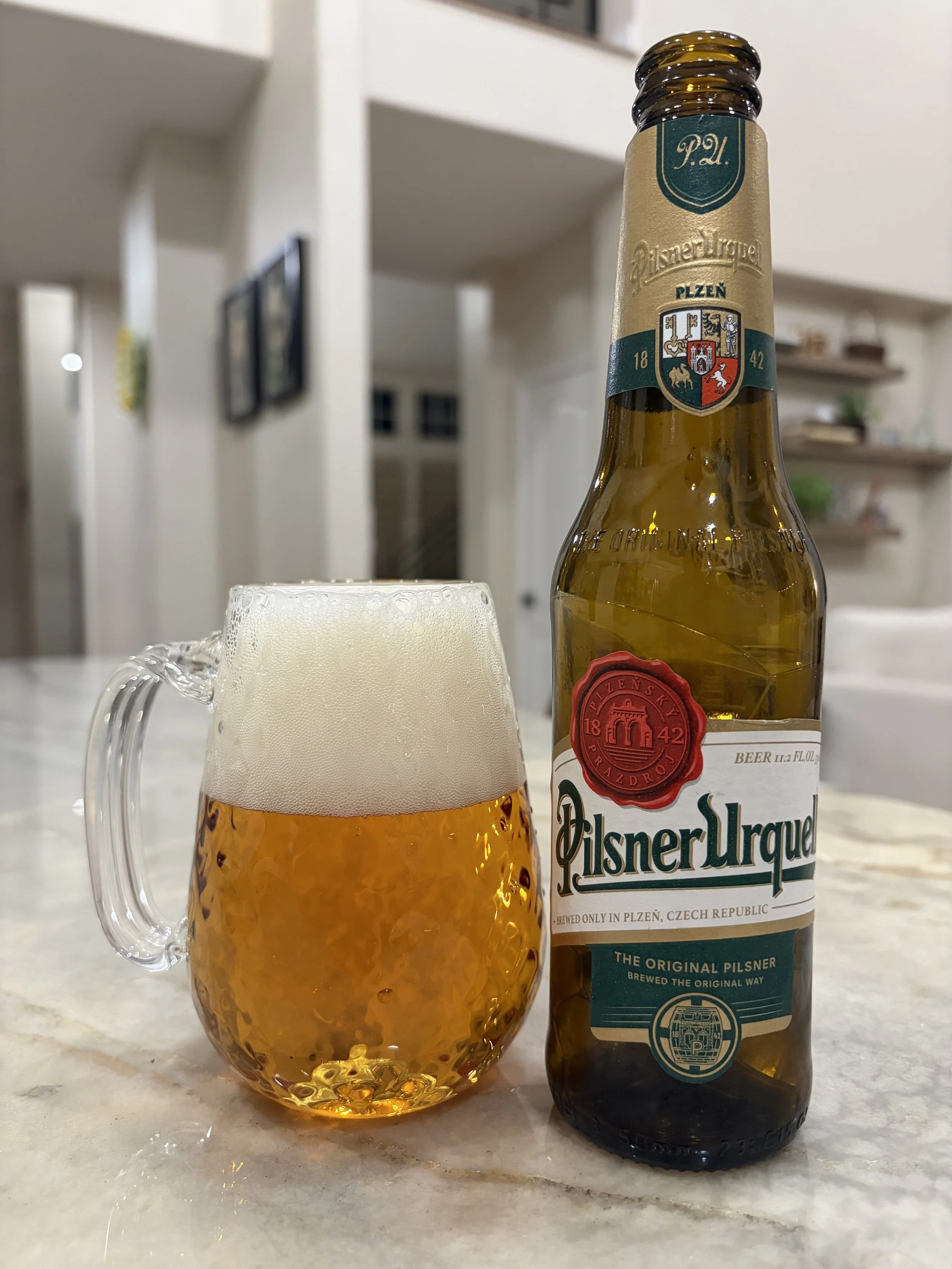
I loved drinking Pilsner in the Czech Republic and was downtrodden knowing that when I landed back in the States, I would be hard pressed to find a fresh half liter. I’m hopeful, though, and plan to use the tricks I learned in the Czech Republic to take me closer to what I tasted abroad when I enjoy it at home. A clean glass, freshly rinsed in ice cold water, is a must, along with the bottle poured aggressively into the mug to create a dense and creamy head. The beer from the bottle will never be as fresh as beer from the tank, but seeking out the freshest bottles or cans by checking date codes is critical and will get the drinker closer to the real thing. Storing and serving bottles cold will help too, but there’s little to be done about the legendary Žatec (or Saaz) hop aroma and bitterness that dissipate over the long trip across the ocean. The remedy here is to purchase Pilsner from stores that keep them refrigerated and ask for guidance regarding which Pilsners arrived most recently. Cold storage is the key to preserving hop character. Perhaps the best way to experience the magic of Czech Pilsner outside of the Czech Republic in its golden-fresh glory is to find local breweries that respect the traditions of Czech brewing culture and make Czech style lagers inspired by Pilsner: high levels of bitterness, decoction mash, Bohemian malt, high quality Žatec hops, soft water, and perfect service. This will get you close to the spirit of Czech Pilsner, but the magic is best experienced with the Czechs in a local pub at any time of day; drinking beer tanked in fresh from the brewery and presented impeccably by those entrusted to serve it. Na zdraví!
Special thanks to the Beer Wanderer, Rich Carbonara, for his Prague Beer & Breweries Pocket Guide, which led me to several of the best pubs I found in Prague. If you’re visiting the Czech Republic to drink beer, read it before going.