Advanced Cicerone Tasting Exam Strategy & Schedule
When studying for the AC tasting exam, I used a similar schedule to what I’ve listed below. I didn’t use this schedule exactly (I figured it out as I went), and giving yourself even longer to prep would be ideal, but here’s what I’d do given 6 or 8 weeks to prepare.
6 Week AC Tasting Exam Training Program
Week 1
Style side-by-sides: 5-7 tastings per week
Week 2
Style side-by-sides: 5-7 tastings per week
Week 3
Style side-by-sides: 3-4 tastings per week
Off Flavors: 3 tastings per week A+C
Week 4
Mock Exam Style Identification: 3-4 tastings per week
Off Flavors: 3 tastings per week B+D
Week 5
Mock Exam Style Identification: 4-5 tastings per week
Off Flavors: 2-3 tastings per week A+C
Consumer descriptor panel practice: 1-2 per week (exam conditions; see syllabus)
Technical Panel practice: 2-3 per week (exam conditions; see syllabus)
Week 6
Style side-by-sides (revisit challenging ones): 4-5 tastings per week
Off Flavors: 2-3 tastings per week B+D
Consumer descriptor panel practice: 1-2 per week (exam conditions; see syllabus)
Technical Panel practice: 2-3 per week (exam conditions; see syllabus)
8 Week AC Tasting Exam Training Program
Week 1
Style side-by-sides: 4-7 tastings per week
Week 2
Style side-by-sides: 4-7 tastings per week
Week 3
Style side-by-sides: 4-7 tastings per week
Week 4
Mock Exam Style Identification: 4-7 tastings per week
Week 5
Style side-by-sides: 3-4 tastings per week
Off Flavors: 3 tastings per week A+C
Week 6
Mock Exam Style Identification: 3-4 tastings per week
Off Flavors: 3 tastings per week B+D
Week 7
Mock Exam Style Identification: 4-5 tastings per week
Off Flavors: 2-3 tastings per week A+C
Consumer descriptor panel practice: 1-2 per week (exam conditions; see syllabus)
Technical Panel practice: 2-3 per week (exam conditions; see syllabus)
Week 8
Style side-by-sides (revisit challenging ones): 4-5 tastings per week
Off Flavors: 2-3 tastings per week B+D
Consumer descriptor panel practice: 1-2 per week (exam conditions; see syllabus)
Technical Panel practice 2-3 per week: (exam conditions; see syllabus)
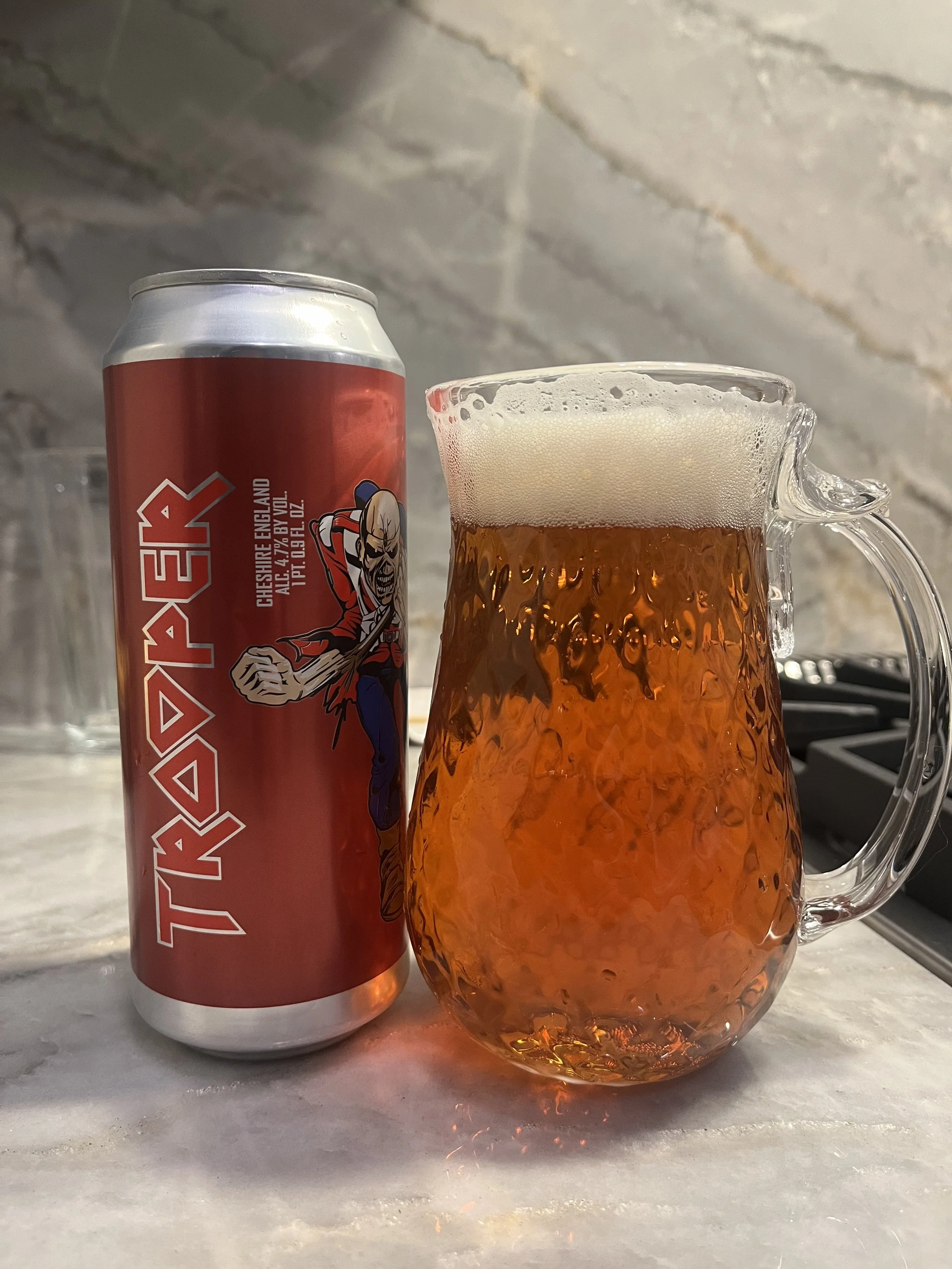
Style side by sides taste 2 or 3 similar styles from multiple producers.
Focus on how you identify a particular style/nationality
Taste how different commercial examples present
Examples:
2 Wee Heavies, 2 Doppelbocks, 1 Belgian Dubbel, 1 Belgian Dark Strong
2 International Amber Lagers, 2 American Amber Ales, 1 Strong Bitter, 1 Märzen
2 American Lagers, 2 International Pale Lagers, 1 Kölsch, 1 American Blonde Ale
See my blog for more examples
Mock Exam Style Identification (exam conditions)
Have a proctor serve you 2-5 beers from a variety of countries and with a variety of appearances with a list of 4 styles to pick from per sample. Choose the correct style, allowing a time limit of 3 minutes per beer served. It may be helpful to do a few full panels with 5 beers as you approach exam week to simulate the exact exam conditions.
If your proctor is also studying for the exam, fantastic; leave it up to them to provide challenging styles to choose from. If not, create a key or guide they can use. Alternatively, you can purchase the beer you’ll be using and stick labels on the beers with the 4 choices you’d like them to present you with. This process will take some trial and error. Come up with a system that works for you.
If you miss one:
Do a tasting and sensory breakdown along side the BJCP entry for that style. THIS IS CRITICAL!
Optional but extremely helpful: open the style you guessed it was and compare it to the sample you missed
Off Flavors:
A: DMS, H2S, Isovaleric Acid, Mercaptan
B: Lactic Acid, Acetic Acid
C: Lightstruck, Metallic
D: DMS, Metallic, Diacetyl, Acetaldehyde
Measure out and split up off the off flavor spikes to use throughout the week OR use the entire spike and plastic wrap/seal up the cups and refrigerate for use throughout the week. Spikes aren’t produced to be split up/saved, but you can usually get a few days’ use out of them. Depending on which spikes you have, it may be best to do the off-flavor practice on consecutive days throughout the week so they maintain their potency. Studying the spikes on different days like this worked really well for me. I found it kind of overwhelming to get to know them when doing them all at once and with this method you get to deep dive the easy-to-confuse ones.
The ultimate AC off-flavor mnemonic:
Do chill, madam. - AC Matt Myler
DMS
Oxidized (T2N)
Cholorophenol
H2S
Isovaleric Acid
Lactic Acid
Lightstruck (3MBT)
Metallic
Acetic Acid
Diacetyl
Acetaldehyde
Mercaptan
Services to help you study:
Studying and preparing for this exam was extremely difficult and overwhelming, and I hope the tips above help make your process smoother. If you want more help, check out the Advanced Cicerone course with Beer Scholar where we offer:
virtual tastings and style breakdowns
study strategies for the written exam
strategies for the AC technical panel
strategies for the AC consumer-focused descriptive panel
a global community of dedicated beer friends
Send me an email at bottledregs@gmail.com to get started!